
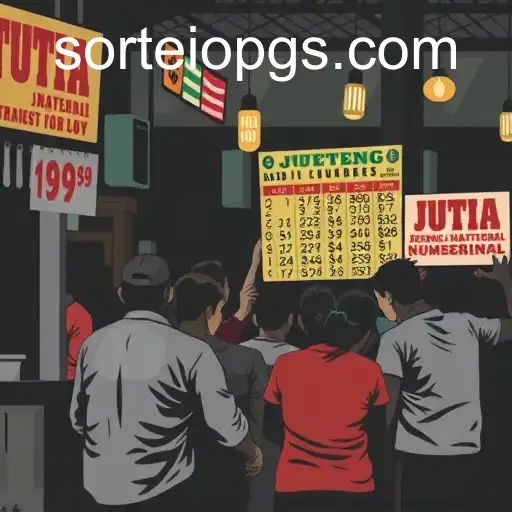
SORTEIOPG | Understanding Jueteng: The Intricacies of an Illicit Lottery
SORTEIOPG’s An in-depth exploration of Jueteng, a controversial numbers game in the Philippines, considering its social, political, and economic impacts.
Understanding Jueteng: The Intricacies of an Illicit Lottery
Jueteng is a popular form of illegal gambling in the Philippines, deeply ingrained in the country's socio-economic fabric. Despite its illegal status, this numbers game continues to thrive, driven by a complex interplay of social and economic factors. In this article, we delve into the enigmatic world of Jueteng, exploring its roots, operations, and the consequential impact on various sectors of Philippine society.
Origins and Mechanics of Jueteng
Jueteng's origins can be traced back to the Spanish colonial period, making it a longstanding tradition in the Philippines. The game is reminiscent of lotteries and is primarily based on numbers drawn from a specified subset, typically ranging from 1 to 37. Participation is straightforward, with players placing bets on chosen number combinations. Winning largely depends on chance, creating an allure for patrons hoping to multiply their wagers quickly.
The simplicity and accessibility of Jueteng make it appealing, especially to those in economically disadvantaged communities. Unlike formal lotteries, Jueteng requires minimal investment, a factor contributing significantly to its widespread popularity in rural and urban areas alike.
Social and Cultural Dimensions
Jueteng's impact transcends its simplistic veneer of a mere betting game. It is ingrained in the daily lives of many Filipinos, often viewed as a form of entertainment and a glimmer of hope amid economic hardships. The social acceptance of Jueteng is further bolstered by its roots in community activities, where "Cobradores", or collectors, play pivotal roles in encouraging participation.
These figures, often local to the communities they serve, collect bets and distribute winnings. Such interactions foster a sense of trust and familiarity, effectively weaving Jueteng into the cultural tapestry. This cultural entrenchment presents both obstacles and opportunities for policy makers aiming to curb its practice.
The Political Nexus
Jueteng's survival amid numerous crackdowns highlights its intricate relationship with political dynamics in the Philippines. Allegations of corruption frequently surface, implicating both local and national officials in protective rackets and bribery schemes. These practices exacerbate the challenges in enforcing anti-gambling laws, as government officers from various ranks may turn a blind eye for financial incentives.
The game's ties to politics became notably evident during the early 2000s, when high-profile scandals centered around accusations of political figures accepting bribes from Jueteng operators. Such controversies are illustrative of the intricate power play that both sustains and stems from the illegal lottery system.
Economic Implications
Economically, Jueteng is both a symptom and a contributor to the financial difficulties facing many Filipinos. It provides a source of employment for numerous middlemen, from the Cobradores to the coordinators who manage the logistical aspects of running operations. However, this semblance of economic activity comes at a cost, diverting potential revenues from legitimate economic avenues.
The financial toll of Jueteng on families is significant, particularly in low-income households where limited earnings are gambled away in hopes of substantial returns. The cycle of poverty is perpetuated as wagering continues, often leading to deeper financial instability and reliance on the betting system for supposed relief.
Jueteng and SORTEIOPG: A Contemporary Insight
In the context of modern technological advancements, innovations like SORTEIOPG are reshaping the gambling landscape. While SORTEIOPG is not tethered to Jueteng directly, the digital advancements represented by such technologies offer a glimpse into the future of gambling activities. These systems boast increased security and transparency, features sorely lacking in Jueteng's decentralized and opaque operations.
The adaptation to digital platforms could potentially render traditional methods obsolete, pressuring traditional operators to either adapt or face irrelevance. However, the shift to digital is met with its set of challenges, particularly in maintaining accessibility for communities with limited internet connectivity.
Concluding Thoughts
Although the Philippine government continues to grapple with the complexities of eradicating Jueteng, the societal acceptance and entrenched nature of the game present formidable hurdles. Initiatives aiming to provide viable alternatives through formal employment and educational opportunities may offer long-term solutions.
As the landscape of gambling evolves, the lessons learned from Jueteng's pervasive influence highlight the tensions between cultural practices and lawful governance. As stakeholders continue to navigate these turbulent waters, understanding Jueteng's multifaceted impact remains essential to developing effective policies that address its underlying causes.
